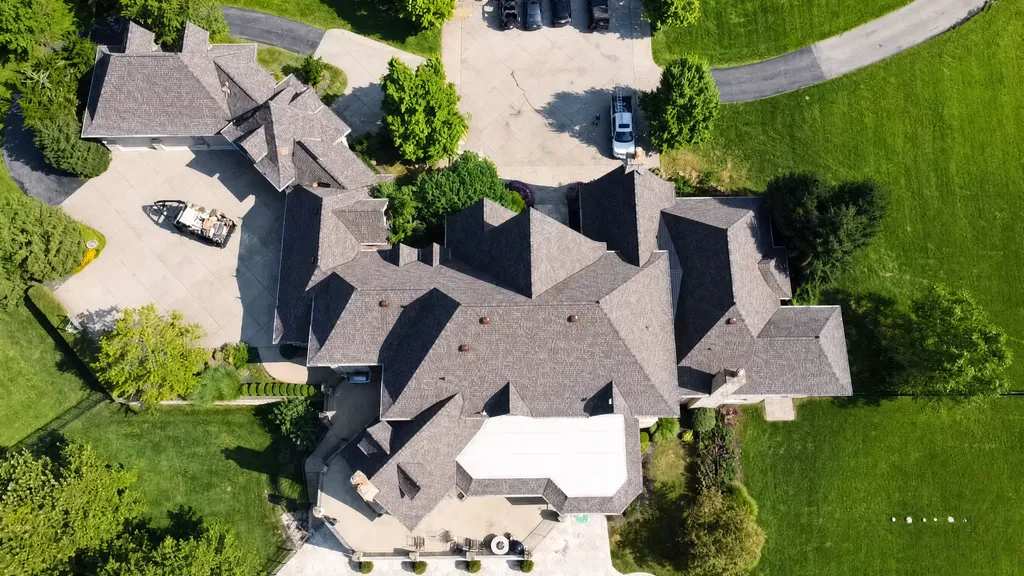
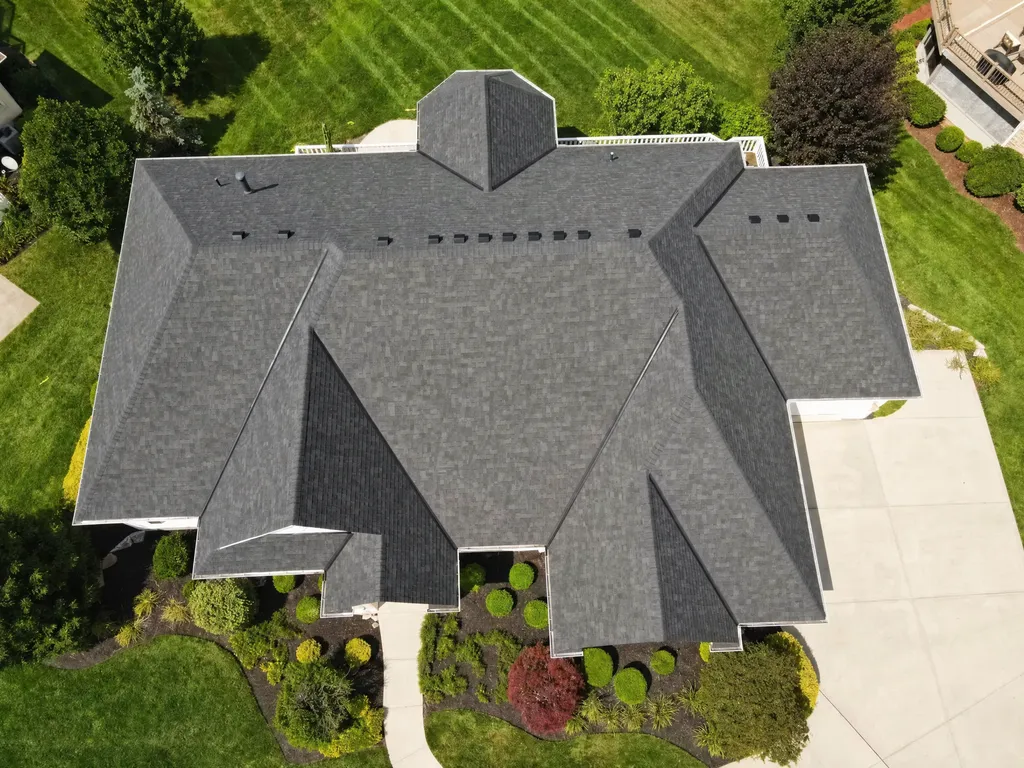
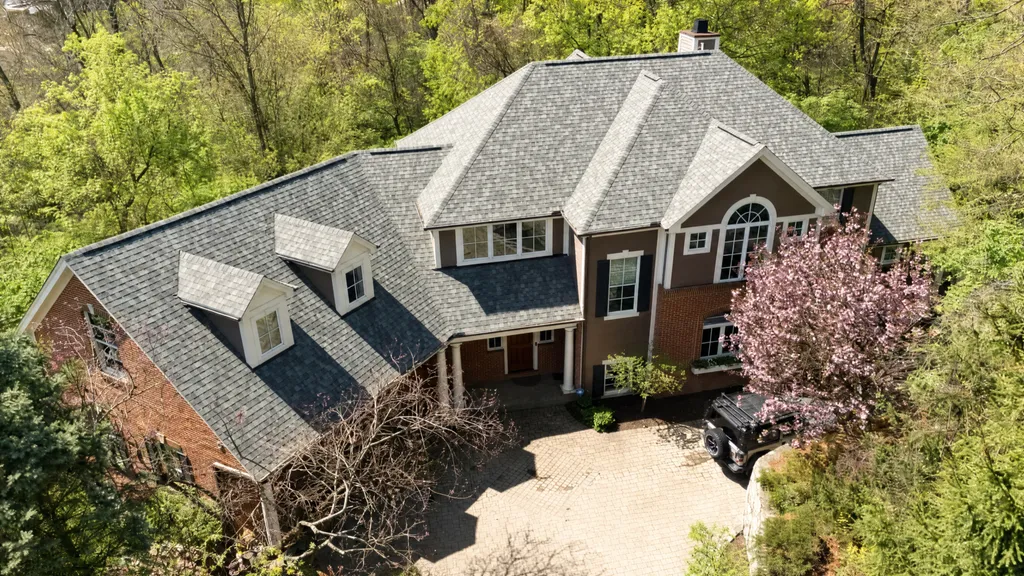
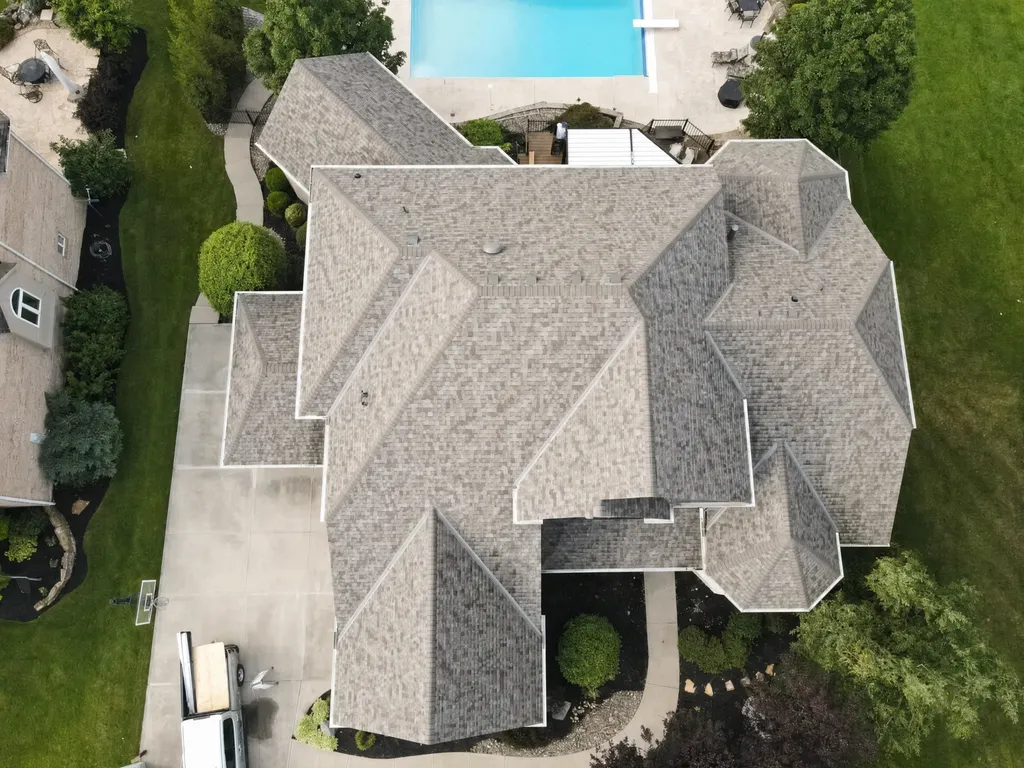
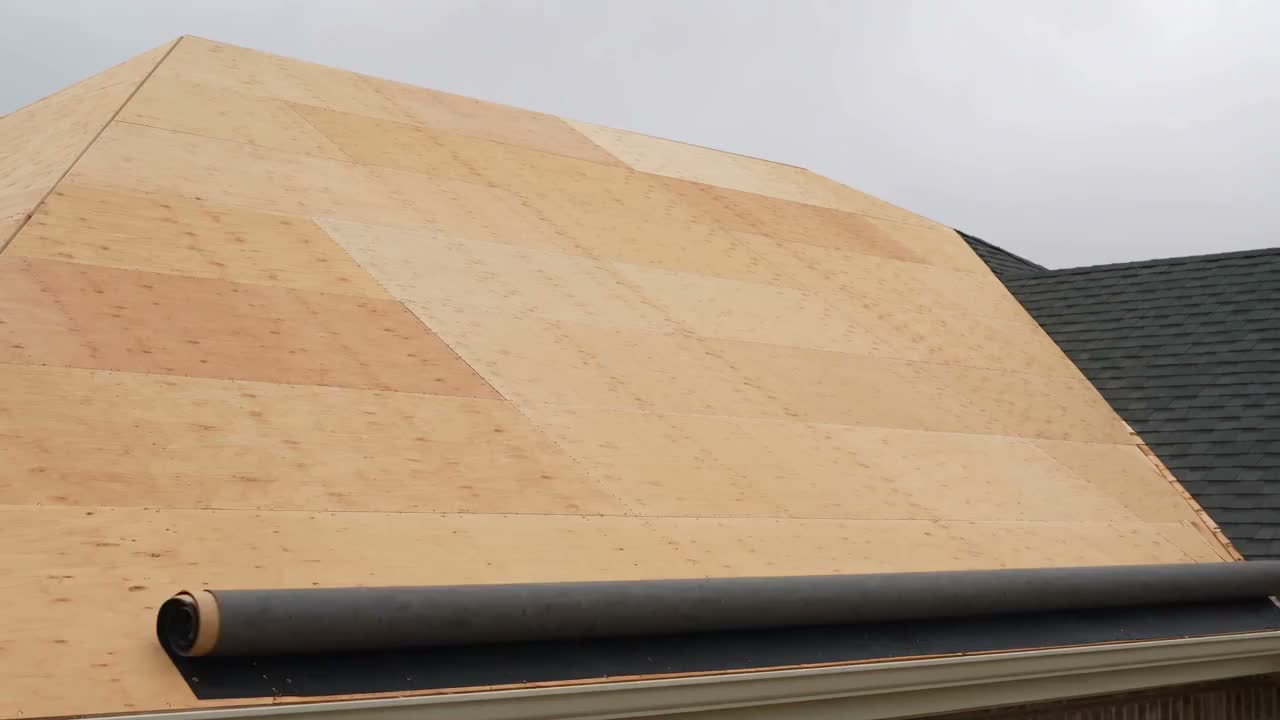
Material is matched to the roof, not the other way round
Architectural asphalt carries most homes: layered, wind-rated and economical to repair. Impact-rated shingles earn their premium where hail keeps returning. Metal trades a higher up-front cost for lifespan, and low-slope sections need membrane systems, not shingles pretending to be one.
The specification follows the inspection (pitch, exposure, and what the last roof did wrong) rather than a default.
Ventilation is half the lifespan
An attic that cannot breathe cooks shingles from underneath in summer and feeds ice dams in winter. Intake at the eaves and exhaust at the ridge work as a pair; blocking either one disables both.
Plenty of "failed" roofs are ventilation problems wearing a shingle costume. Replacing the shingles without fixing the airflow buys the same failure twice.
Flashing is replaced, not caulked over
Most leaks trace to transitions (chimneys, walls, valleys, pipe boots), not to the open field of the roof. Metal that has moved or rusted gets replaced. Caulk over tired flashing is a countdown, not a repair.
The decking decides on tear-off day
What is under the old shingles cannot be known from the ground or a satellite photo. Soft decking found on tear-off gets replaced before anything new goes down. That is why the quote is written after a thorough inspection, and why it holds unless the scope itself changes.
Repair or replace: how the call actually gets made
Three things decide it: how old the shingles are, what shape the decking is in, and how much of the roof is affected.
The short version: damage in one or two spots on a newer roof is a repair. Damage in many places on an older roof is a replacement. Patching it at that point is just paying for a new roof in installments. Roughly: three trouble spots, repair it; ten, replace it.
The free inspection settles it either way, and we will say when a repair is the honest answer. A roof with years left in it should get them.
What a replacement includes
Full tear-off to the deck. Never an overlay, which hides the decking and voids most shingle warranties. Then ice-and-water membrane at the eaves and valleys, synthetic underlayment, new flashing throughout, ridge ventilation, and the shingle system installed as the manufacturer specifies.
Cleanup is part of the job: magnet runs for nails, and a review of the finished work with you before the crew leaves.
How the job runs
A project manager carries out a thorough inspection and writes the quote. Materials arrive before the crew, most homes are finished in a single day, and every detail is managed from start to finish.