A subdivision problem arriving on schedule
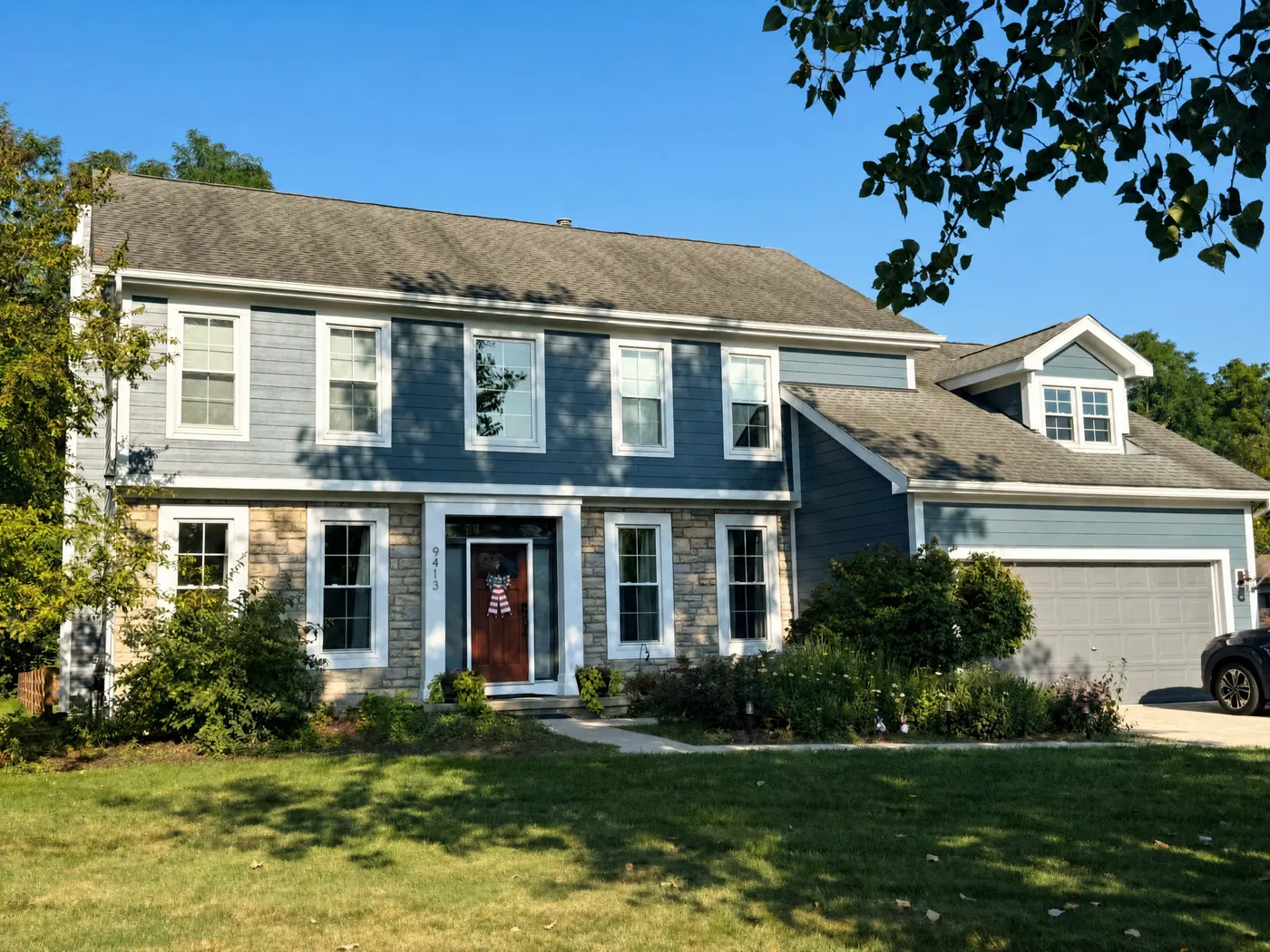
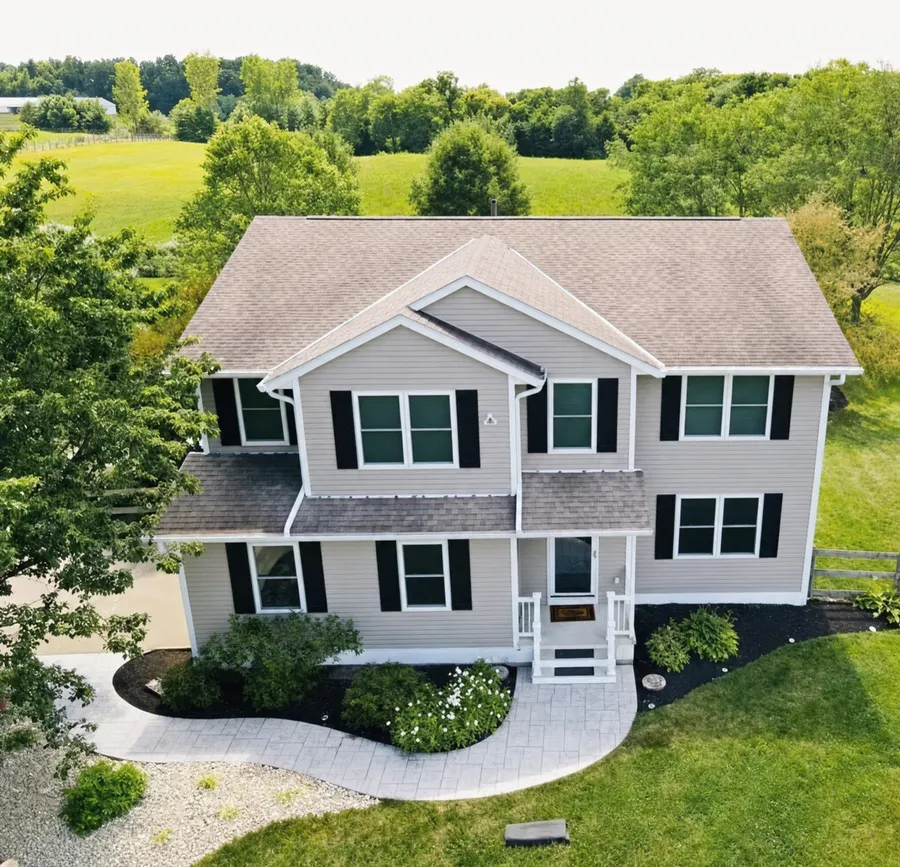
Most of the housing ringing Columbus went up in a twenty-year burst, and its original cladding is aging out on the same schedule it went up on. The panels themselves are usually the least of it: that construction era wrapped walls quickly, taped little, and flashed window heads with whatever the schedule allowed. The failures we open up in Dublin or Lewis Center are behind the vinyl far more often than in it.
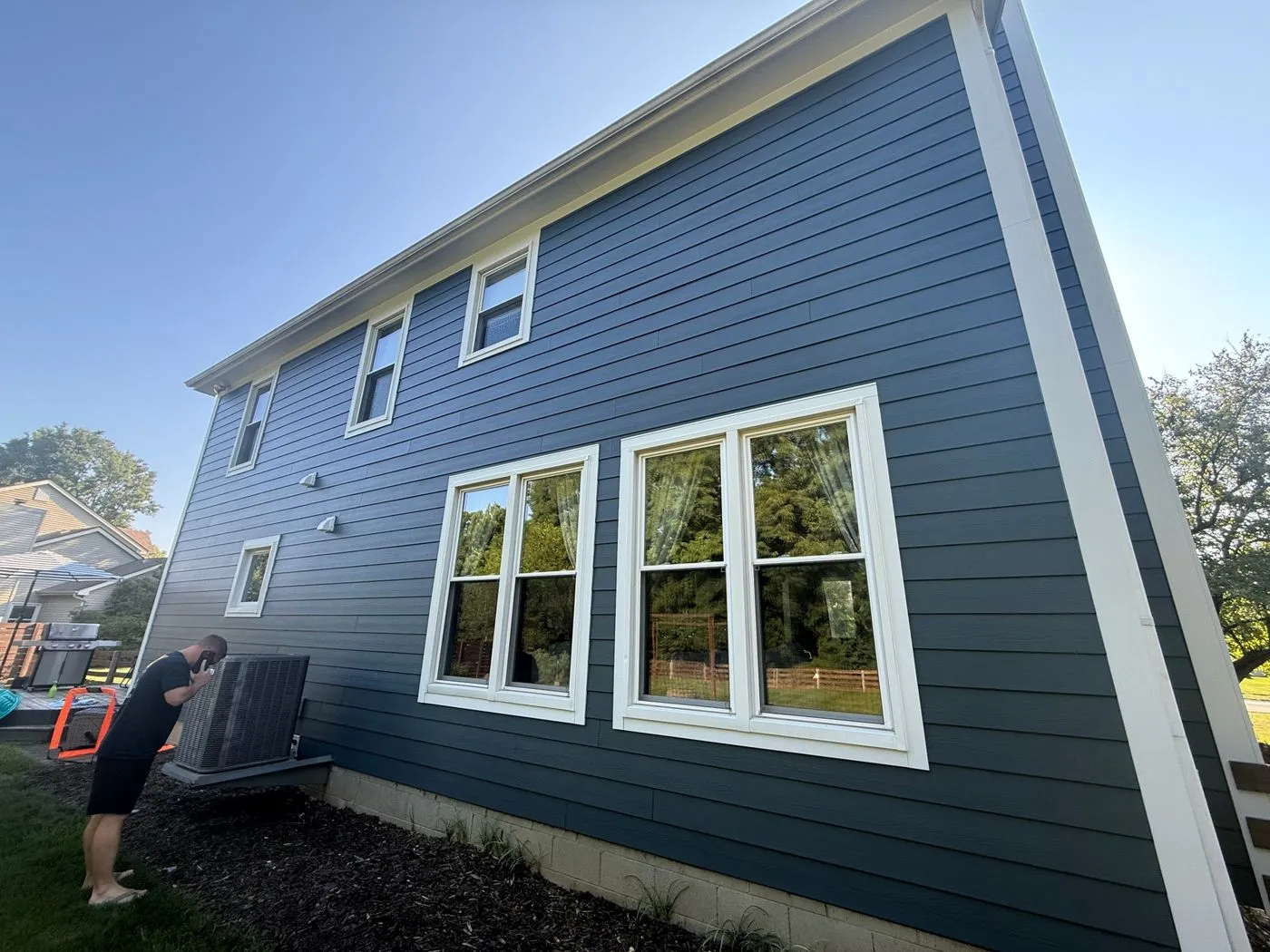
So a replacement here is really a wall rebuild wearing a siding job's name: the cladding comes off, the original shortcuts get corrected, and the new panels go over a wall that finally has a working water barrier.
Wind writes the spec
Flat ground, young trees, long fetch: a front crossing central Ohio meets nothing that slows it before it meets your west elevation. Siding spec here starts from wind: panel lock strength, fastening schedule, and the discipline of leaving movement room without leaving slack. A panel that rattles in October is a panel that leaves in April.
The historic streets play by different rules
German Village's review standards are the strictest, but Bexley, Clintonville and Worthington's older blocks all carry expectations about lap width, shadow line and trim that a subdivision product does not meet. Fiber cement carries most of these projects: it takes the deeper profiles, holds paint, and reads as original from the street.
We spec what boards have approved before and prepare the documentation a submission needs. The fastest route through a review is showing up with the answer they have already said yes to.
Hail happens to walls too
The spring runs that bruise shingles crack aged vinyl, especially panels that have gone brittle in the sun. After a hail event we read walls the way we read roofs (elevation by elevation, photographed) because cladding damage is claimable on the same storm and homeowners routinely leave it off the scope.