The subdivision case
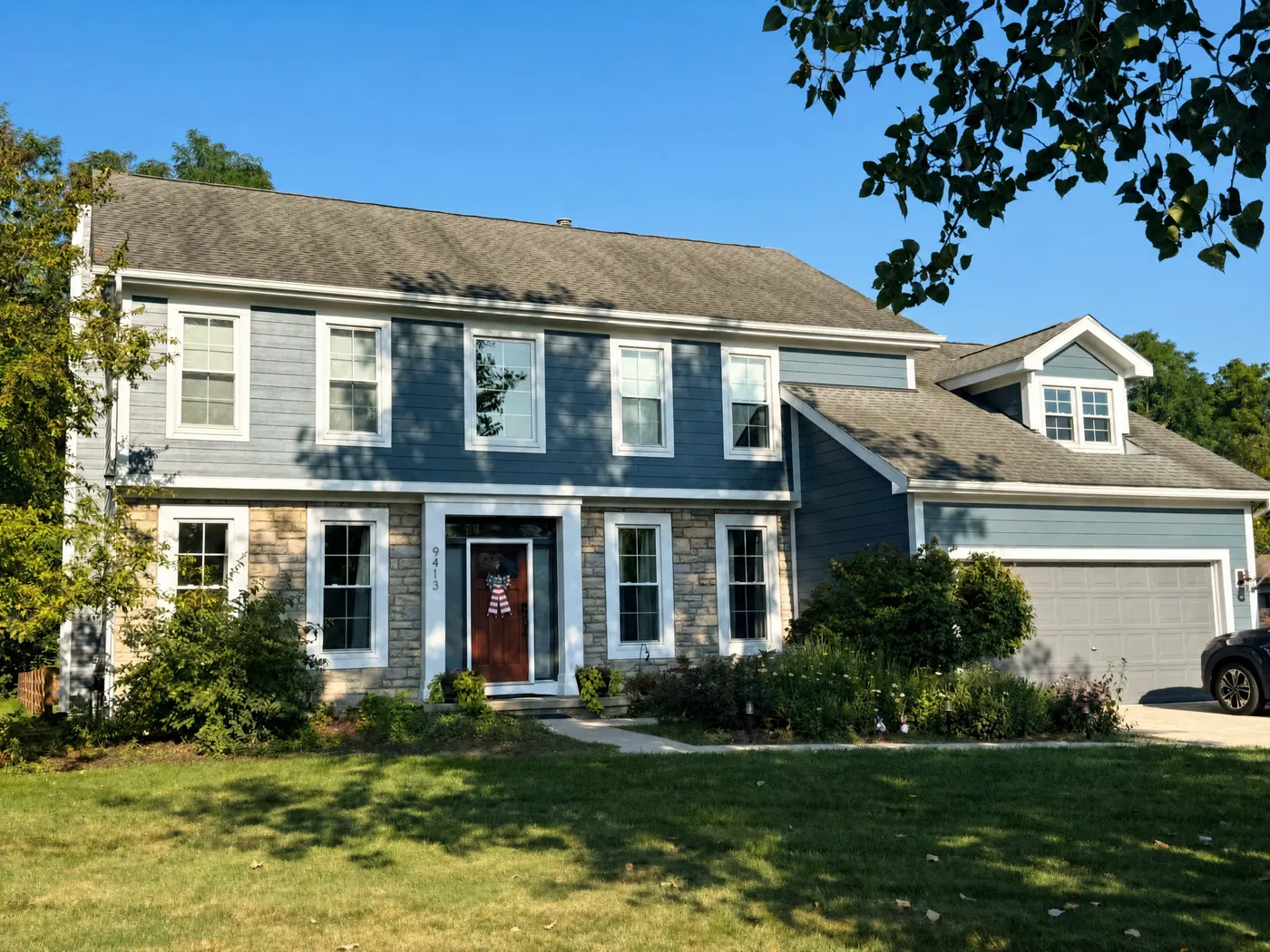
The homeowner replacing 1990s builder vinyl in Hilliard is usually deciding between doing vinyl again or stepping up once. The step-up case rests on three central Ohio facts: open-sun lots that punish site-applied finishes (ColorPlus answers this), unbroken wind that works lightweight panels loose (mass answers this), and spring hail that cracks aging vinyl (cement answers this). It costs more. It also ends the cycle.
The historic case
On the review-board streets the question inverts. Nobody doubts the durability; the question is whether it looks right. Approved projects across the older districts have settled it: correct lap widths in smooth finish, real trim at openings, and the elevation reads as it always did. We arrive at reviews with spec sheets from products boards have already accepted, which shortens the conversation considerably.
Spec is a checklist, not a vibe
Hardie's warranty conditions are concrete: fastener type and depth, gap detail at butt joints, clearances at every horizontal. Our crews run them as a literal checklist per elevation, and the job file keeps the photographic proof. When a warranty claim matters years from now, that file is what makes it succeed.
Wind, quantified
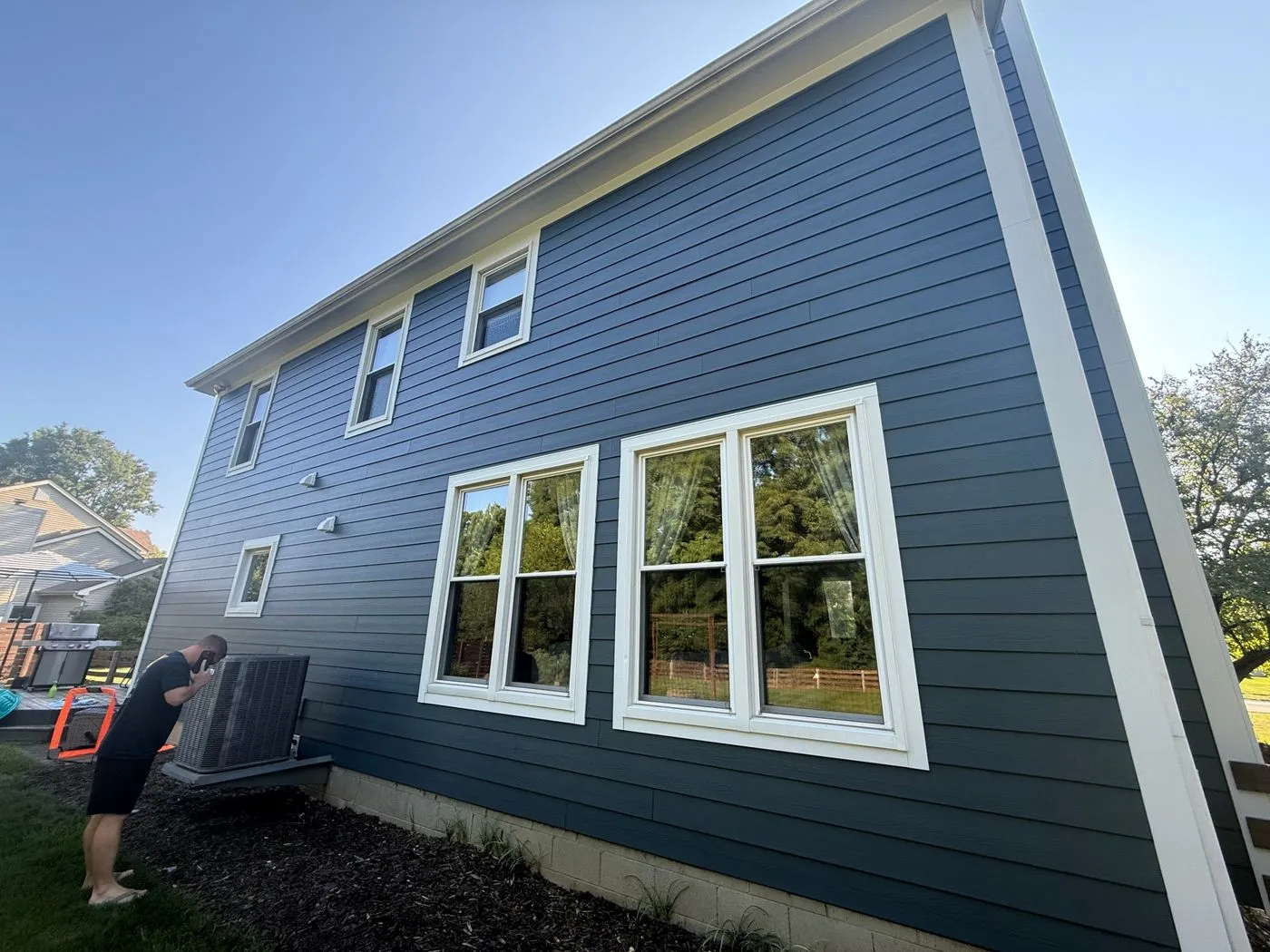
Fastened to specification, fiber cement carries wind ratings far past anything a central Ohio front delivers. The material's mass does what lightweight cladding cannot on open ground: it stays put, quietly, in the October gusts that leave vinyl streets ticking and rattling.
The quiet compounds with the practical: a wall that is not moving is a wall whose caulk lines, paint film and fastener seats are not working loose either. Stillness is not a luxury feature; it is the mechanism behind the low maintenance. That stillness is noticeable from inside the house, which surprises people: a Hardie wall in a windstorm simply does not react. For homeowners replacing a vinyl wall that has spent twenty autumns announcing the weather, it is the upgrade they mention most afterward.